
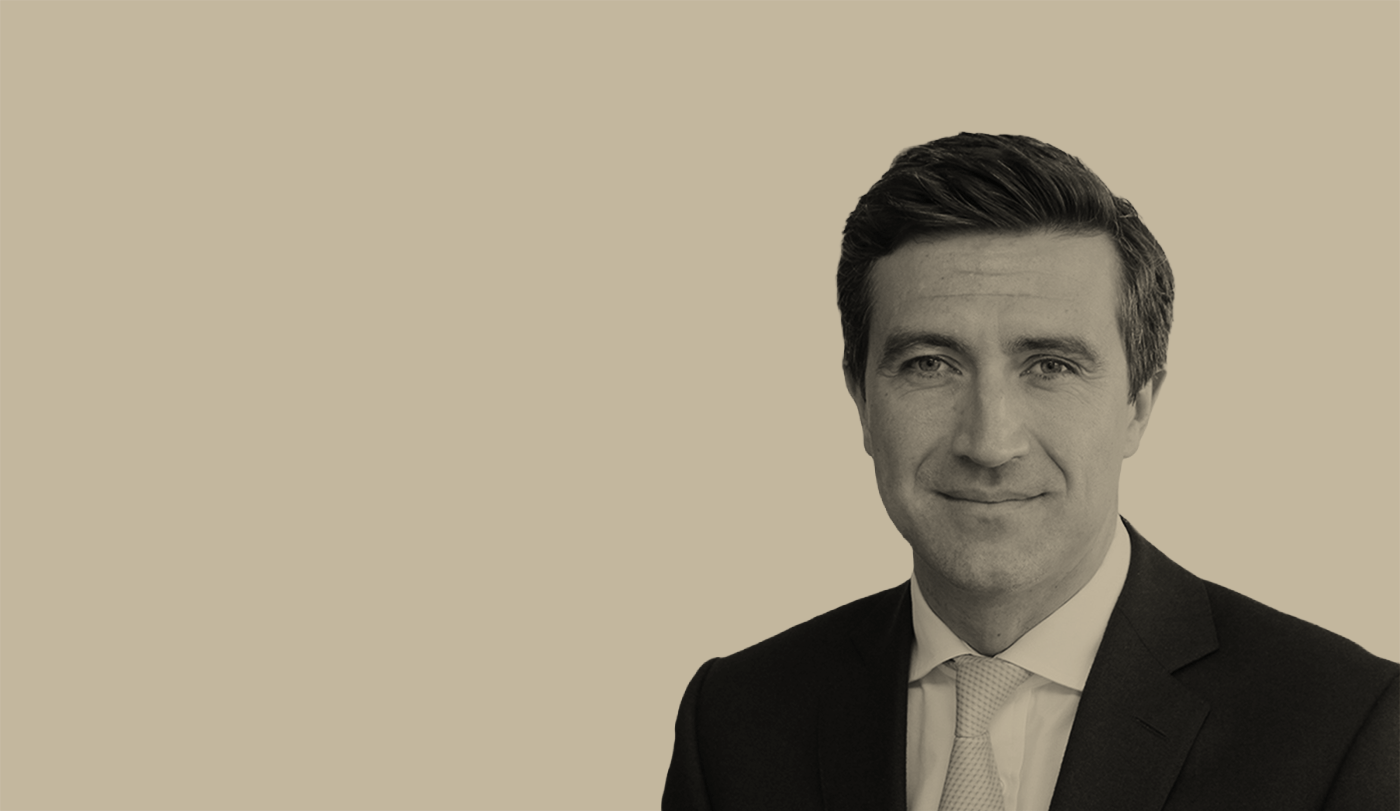
BNY Investments UK head of intermediary distribution Rohan Stewart on listening to clients, making investment simpler and the real question for future-looking asset managers
Where – and why – are you anticipating demand or fund-flows from UK-based wealth managers and their clients over the next 12 months?
We are anticipating clients asking us for income strategies – in equity, fixed income and multi-asset, specifically – along with increased demand for a bespoke or tailored set of propositions that suit their goals. Fortunately, BNY Investments has very strong performance across its investment platform going into 2027 with approximately 70% of our top long-term active strategies above benchmark or at par over a one, three and five-year period.
The opportunity we see is in investments that solve a problem within the current regime of ‘higher-for-longer’. Active fixed income ETFs are a good example: investors increasingly want the flexibility, transparency and cost efficiency of an ETF, but they do not necessarily want to give up active management. Active fixed income ETF assets have grown from $14.8bn (£11.2bn) in 2014 to more than $370bn today, so this is a structural shift rather than a passing trend.
We also see growing demand for retirement and outcome-oriented solutions as advisers look for practical ways to deliver income, preserve capital and manage risk for their clients. Cash is another fascinating area. UK retail investors put a record £6.9bn into money market funds last year, yet there is still an estimated £600bn sitting in excess cash.
The common thread is simple: clients increasingly want solutions that are transparent, scalable and easy to implement. For asset managers, the big question is whether we can make investing simpler while still delivering the specialist expertise clients need.
How are you planning to address and serve that interest?
It comes down to listening first and building second. We need to understand what clients actually need and then deliver our investment capabilities in a way that works for them, whether that is our recent Hargreaves Lansdown money market fund collaboration or potentially expanding an ETF offering. The aim is not more products – it is better solutions to real portfolio needs.
That is where BNY Investments has an advantage. We can combine specialist investment expertise with the scale, technology and breadth of BNY. As wealth managers look to work with fewer partners, we want to make their lives easier, anticipate what they need next and bring the right parts of BNY to the table.
Are you seeing a divergence in the demands of UK wealth managers versus, for example, their peers in Europe or on the institutional side in the UK?
UK wealth managers are starting to behave much more like institutional investors. Consolidation means fewer, larger buyers, more centralised investment decisions and a greater focus on scale, value and outcomes. At the same time, they still need solutions that work for individual investors, whether that is income in retirement, efficient access to active management or simply making cash work harder.
A pension scheme, a UK wealth manager and a European private bank may ultimately be looking for many of the same things, but the wrapper, liquidity, level of customisation and way we engage with them can be very different. That is why understanding the client has to come before the product.
BNY has a very strong competitive advantage in this space – we can offer end-to-end solutions built using our own custody business, our Pershing technology platform and our bespoke multi-asset investment solutions team. We believe very few competitors can offer this breadth of problem-solving.
As a business, how do you define ‘alternative’ and ‘private’ assets and to what extent should asset managers be looking to service investor demand here?
We think about alternatives less as a label and more in terms of the role they can play in a client’s portfolio. Private credit, private equity, real estate and infrastructure can give investors access to different sources of income, growth and diversification beyond traditional public markets.
The real opportunity for asset managers is not simply to bring more private-market products to market, but to make these strategies more accessible and relevant to a broader range of investors. This means combining specialist investment capabilities with the right structures, strong risk management and clear education.
Private markets can play an increasingly important role in portfolios, but access needs to be purposeful, with a clear understanding of liquidity, risk and the outcome an investment is designed to deliver.
‘ESG is dead – long live ESG 2.0’ – your thoughts as a distributor, please?
I would say the era of a catch-all label is coming to an end – and that is probably healthy. Clients are asking tougher questions: what does this approach actually do, what risks is it addressing and how does it contribute to the investment outcome?
For distributors, that shift from labels to substance is important. What we are seeing is less a retreat and more a reset. Our role is to help clients cut through the noise and focus on solutions backed by strong data, clear objectives and genuine stewardship. Over time, these considerations may simply become part of mainstream investing, rather than something treated as a separate category.
What drives your approach to client communication? And is there a case for focusing on attracting the ‘right’ type of client?
Distribution should not be about putting more products in front of more people – it should be about understanding what is keeping a client awake at night and working out whether you have the capabilities to help solve it. Clients are increasingly thinking in terms of outcomes – from income and capital preservation to managing specific risks or goals. Our role is to help them achieve their goals for their clients
That also changes how we think about the ‘right’ client. For us, it is not simply the biggest client or the next opportunity in the pipeline. It is a client with whom we can add genuine value and build a deeper, longer-term relationship.
BNY Investments sits at the heart of BNY, giving us the perspective and resources of an organisation that has been at the heart of the global financial system for more than 240 years. That breadth helps us bring more of the firm to our clients and focus on the challenges that matter to them.
Technology gives us an increasingly powerful way to support that. Data and AI can help our teams prepare better, respond faster and identify relevant opportunities – but human judgement remains essential. The technology should make us better listeners and better partners. If it becomes the focus of the conversation itself, you have probably missed the point.
Outside of work, what is the strangest thing you have ever seen or done?
I was once on a small ferry that sank a few miles off the coast of Thailand. Luckily the radios meant that everyone was rescued after a quick swim. The luggage, however, was lost to the ocean floor!
May we have two book recommendations, please – ideally, one with an investment connection?
For fiction, I would highly recommend The Narrow Road to the Deep North by Richard Flanagan, which won the Booker in 2014. It is an epic – simultaneously both harrowing and beautiful. For non-fiction, my finance choice would be Red Notice by Bill Browder – perhaps not an original choice, but an incredible insight into the world of hedge funds, investment and the complexities of operating in Russia during a period of enormous economic change.
Gazing into your crystal ball, what does the asset management sector look like 10 years from now?
A decade from now, there will be fewer asset managers, but the successful ones will do far more for their clients. Performance will always matter – but it will not be enough on its own.
Consolidation, fee pressure and rapidly changing technology are raising the bar, while clients increasingly want fewer relationships and broader solutions. The winners will be the firms that can combine strong investment capabilities with scale, technology and a much deeper understanding of what their clients are trying to achieve.
That means moving from simply selling products to solving problems – whether that is delivering income, accessing private markets or making portfolios easier to implement and manage. AI will undoubtedly transform how we invest and interact with clients, but technology is only valuable if it produces a better outcome.
So perhaps the real question for the next decade is not, Who has the best fund? It is, Which asset managers have the breadth and scale to become truly indispensable to their clients?
“It comes down to listening first and building second. The aim is not more products – it is better solutions to real portfolio needs.