
Since the concept of artificial intelligence hit the mainstream, trillions of dollars have flooded towards the names deemed to be ‘AI winners’ and the recipients have wasted no time in spending their cashflows in a bid to keep at the forefront of their fields.
Such was the pace of advancements in AI – not to mention the amounts of data-centres and power needed to fulfil the demands of a data-hungry world – the companies in this vanguard were required to commit ever increasing sums to the field. For a period, they were richly rewarded for doing so – but has this finally reached tipping point?
The market expectations for 2027 capital expenditure by the largest four hyperscalers recently increased from $824bn (£617bn) to almost $1tn after Google parent Alphabet announced its intentions to spend between $195bn and $205bn in the coming year – and to increase it in the following years.
Nvidia CEO Jensen Huang – who probably has a better insight than most, given the order book for the company’s GPUs (graphics processing units) – was widely seen as overcooking the number when he announced he expected the capex to reach $1.5tn next year but, all of a sudden, that number does not appear so fanciful.
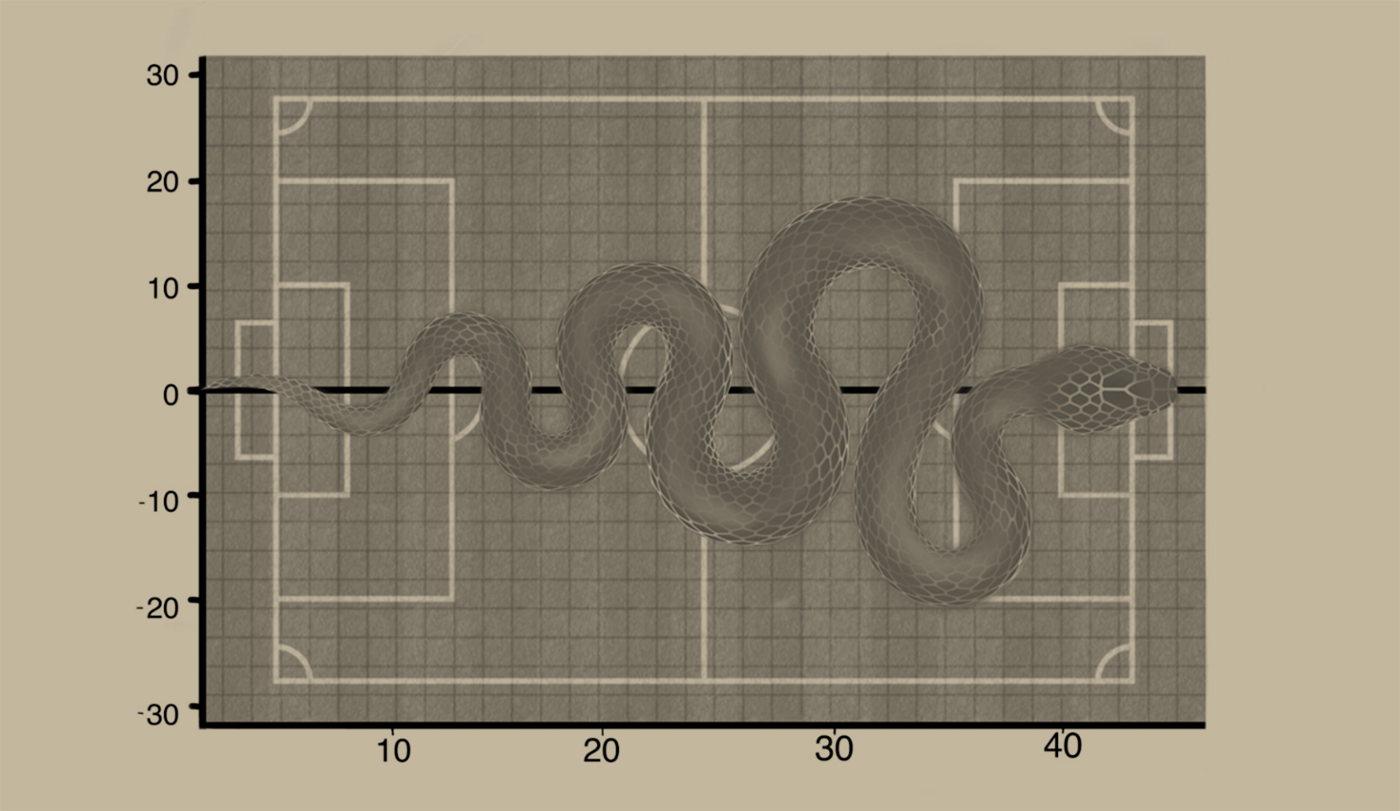
Capital spending by year
“The market seems unwilling to accept the huge sums being committed – while simultaneously penalising the same companies for not spending enough to keep up in the race.
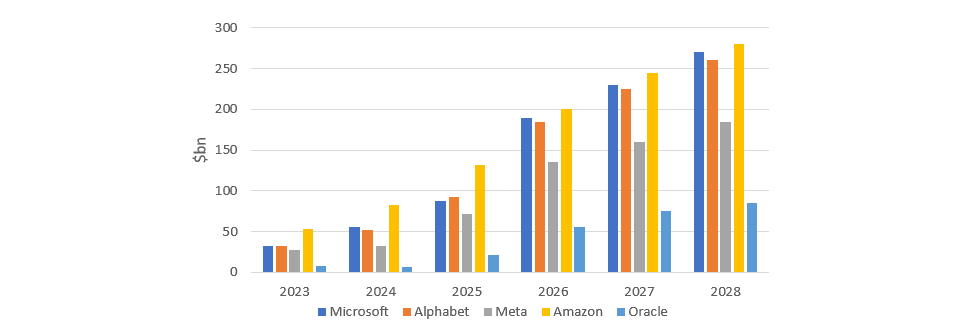
Source: TIM, Company Data, A.I.Capital Advisory
Meanwhile, Google co-founder of Larry Page asserting he was “willing to go bankrupt rather than lose this race” has suddenly raised concerns about the sums being pledged – and whether there will ever be a return on investment to justify these commitments.
In the last quarter, Alphabet posted its first ever quarter of negative free cashflows, and increasingly, even the hyperscalers – who once had cash balances larger than the GDP of many countries – have had to approach the bond markets to find the cash required to keep up with their peers.
Turning tide
The tide, however, appears to be turning, and the market seems unwilling to accept the huge sums being committed – while simultaneously penalising the same companies for not spending enough to keep up in the race.
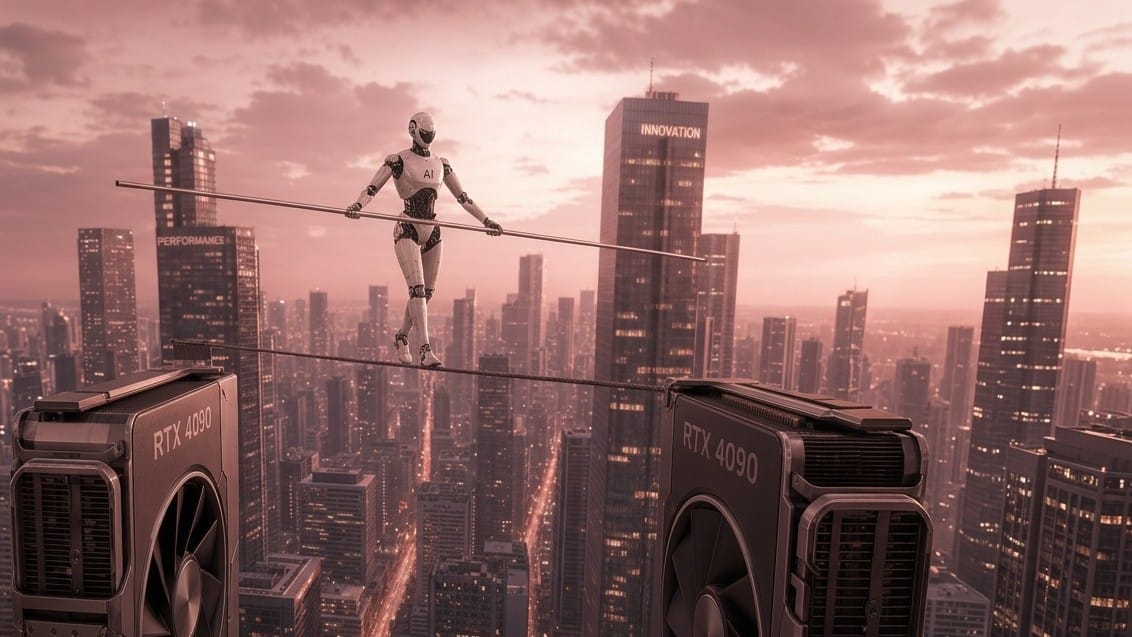
Management teams have a tightrope to tread without upsetting investors when updating the market over the coming weeks and, should returns on investment not be visible, then patience may start to run out.
Quarterly free cashflow (FCF) by Microsoft, Amazon, Google Cloud Platform and Meta
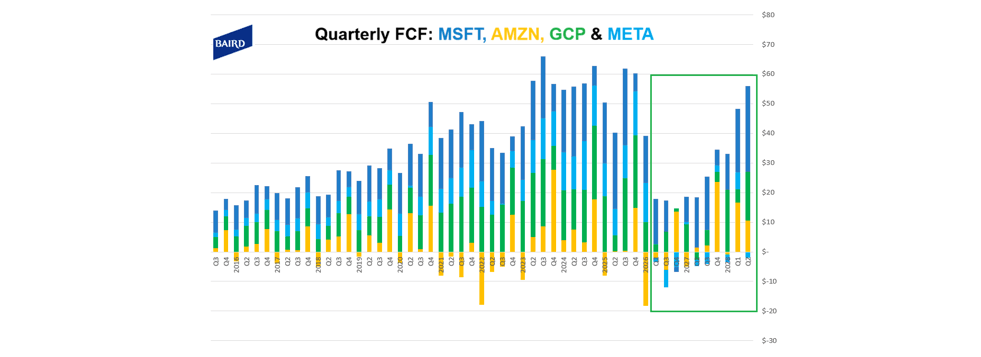
Source: Baird
While the market still believes these investments will prove worthwhile, we are likely to see further quarters of negative free cashflows from the hyperscalers and further tapping of the debt markets – and yet, in this context, it is worth noting that Apple has started to outperform.
The group has been hesitant to follow its peers into this arms race – partly due to its problems in adapting Siri into an AI agent but also on account of the troubled relationship with Open AI, eventually partnering with their erstwhile competition, Google. Thus, while once it were penalised for not spending enough, now Apple is being rewarded for not doing so – and it has regained its spot as the largest company in the world by market capitalisation.
Whether we are at the tipping point in the AI trade remains open to question – but what is noticeable is the market is no longer solely focussed on AI, and other sectors have seen a pick-up in interest.
This widening out of the market, which has been lacking for multiple years, should be positive for active fund managers – and especially those whose focus includes cashflows and businesses that continue to invest within their means.
Richard Scrope is manager of the VT Tyndall Global Select Fund. While it continues to hold positions in Microsoft and Amazon, only Apple features among its top 20 positions