
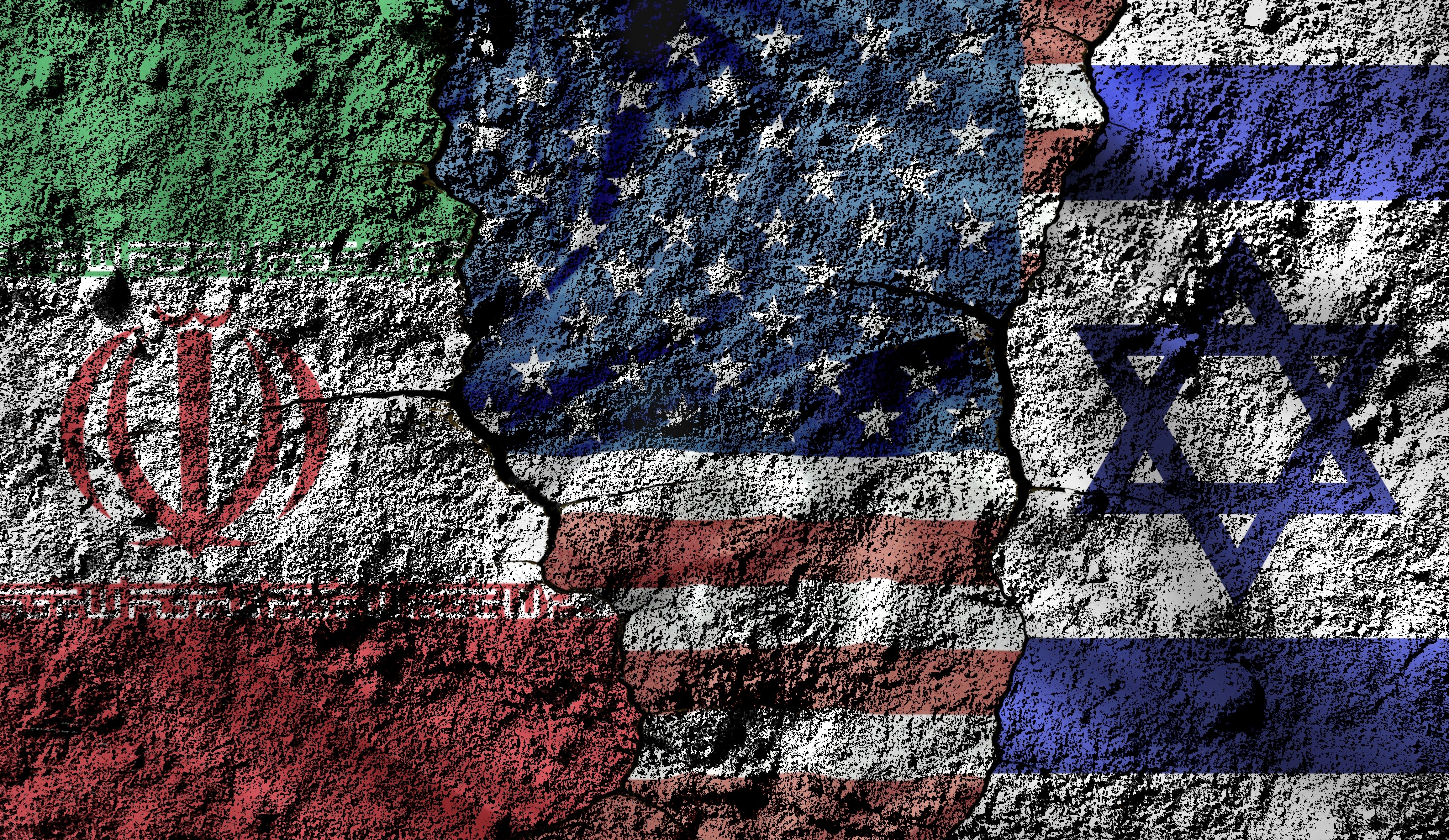
Within the space of a few hours, the US strategy towards Iran has undergone a dramatic U-turn. Under the threat of a US ultimatum, Tehran has agreed to reopen the Strait of Hormuz – albeit imposing conditions on this reopening.
The Iranian authorities stated it would be possible to pass through the strait in coordination with the armed forces and in compliance with “technical constraints”. On the US side, meanwhile, strikes have been suspended for two weeks to allow for peace talks to begin – with Israel emphasising the conflict in southern Lebanon is not part of the ceasefire agreement.
This respite, secured under intense international pressure, was based on one central condition – the reopening of the Strait of Hormuz, a vital artery for global oil trade. The agreement reached responds first and foremost to an urgent need: to avoid a slide into an extreme scenario combining massive US strikes, a prolonged blockade of the strait and Iranian retaliatory measures targeting the production capacities of Gulf states.
Given the Strait of Hormuz accounts for a significant proportion of global oil and gas exports, its prolonged closure would have had major consequences for energy prices, global inflation and growth.
This sudden reversal, observed on 7 April, also marks a turning point in the crisis. Far from reflecting strategic mastery, it reveals the fragility of an administration caught between geopolitical imperatives and economic constraints.
Behind this respite, the geopolitical fundamentals remain fragile: negotiations under severe pressure, both political and economic, and a significant gap between the two initial negotiating positions. Indeed, in Tehran as in Washington, the starting positions remain far apart, both on the nuclear programme and on economic sanctions or the US military presence.
Markets relieved – but realistic
The announcement of the ceasefire triggered a powerful wave of relief across the markets. Brent crude fell back to around $95 (£70.70) a barrel, sovereign bond yields eased and equity indices rebounded, driven notably by Europe, Japan and emerging markets.
Yet this respite remains fragile. The decline in oil prices is likely to remain limited in the coming weeks. The disruption to maritime flows around the Strait of Hormuz imposes unavoidable logistical delays, as it will take several weeks to re-route tankers, replenish stocks and fully restart production.
“Given the Strait of Hormuz accounts for a significant proportion of global oil and gas exports, its prolonged closure would have had major consequences for energy prices, global inflation and growth.
This crisis highlights a deeper reality: in a financialised world, economic constraints can now carry as much weight as military power.”
Added to this are lower reserve levels than before the crisis and a persistent geopolitical risk premium. In other words, while the worst has been averted, structural tensions in the energy sector remain.
Beyond the immediate episode, this crisis highlights a deeper reality: in a financialised world, economic constraints can now carry as much weight as military power.
The message from the markets is clear: the worst has been avoided, but for optimism to prevail in the long term, this tactical pause must be transformed into a genuine exit from the crisis. Otherwise, volatility could quickly reassert itself, reminding us that the balance remains, more than ever, precarious.
The conditional return of fundamentals
Once the outcome of the negotiations is clear, the key question for investors will be to assess the macroeconomic impacts – particularly on growth, inflation and monetary policy dynamics. While the risk of recession is not yet imminent, the impacts will be clearly felt in the eurozone.
Indeed, this geopolitical shock in the Middle East is acting as an energy supply shock, reigniting global inflationary pressures and weighing directly on growth. Rising oil and gas prices are particularly damaging to Europe, whose industry remains dependent on these resources, heightening the risks of a loss of competitiveness.
Nevertheless, this context appears different from 2022, when the global economy was facing both a supply shock and excess demand linked at the time to Covid-related savings and large-scale government fiscal stimulus. Furthermore, the labour market is not under the same severe strain as in 2022.
All these reasons lead us to believe central banks should exercise restraint and not overreact to rising inflation in the coming months. The reduced risk of monetary policy errors should thus act as a tailwind for risky assets –both in equities and in the corporate bond market.
Turning to asset allocation, from the moment the US entered the conflict, we had envisaged a scenario of a war of attrition between Washington and Tehran that could drag on for several weeks, before Donald Trump eventually sought a path to de-escalation at any cost to avoid a major economic shock. With this in mind, we decided at the end of March to take profits on our option hedges and rebalance our portfolios across both equities and credit.
Furthermore, this major crisis also bears the hallmarks of the ongoing shifting of geopolitical and political tectonic plates. This contrast tends to reinforce our view that medium to long-term investors must, more than ever, diversify their asset allocation and themes – particularly those that are still in vogue.
Michaël Nizard is head of multi-asset & overlay at Edmond de Rothschild Asset Management